
I have always loved paper. From a young age, I would choose picture books at the library for their shiny pages and fresh print smell. Through my teens, I read novels (17 on a family vacation was my record) and magazines (it was the 90s, so there were many to choose from!). And for my many essays as an English major in university, I would handwrite first, often sitting in a coffee shop for hours, notebook in hand, typing them up as my editing process.
As an adult, these habits haven’t changed much. Although I am looking at a screen for most of the day for work (and yes, spending too much time on my phone), I will always choose the paper option if it exists. I have never read a full book digitally. Sitting down with a physical novel is my favourite hobby. As I shared with Today’s Parent, books play an important role in my family. I read physical magazines, appreciating the feel of the pages and the containment of content that I don’t get online. When I need to review a document or edit an article at work, I will print it out to laser my focus. I still write best when I start with pen and paper (as I did for this article).
For a time, I felt like an outlier. Digital became the default. Even my dad in his 70s, a daily reader of newspapers and magazines, turned to his iPad: more access, more formats.
More recently, however, I’d say in the last five years, I’ve noticed a shift. An appreciation for the physicality of paper is not a dying, or simply nostalgic, habit.
Canadian print book sales rose 4.1 per cent in 2025. Nearly 48 million print books were sold, and two out of every five were for kids and teens. According to BookNet Canada’s Canadian Leisure & Reading Study, 58 per cent of Canadian readers prefer to read their books in print, ahead of ebooks (18 per cent), audiobooks (16 per cent) and “no preference” (8 per cent).
Paper-based hobbies are back. Letter-writing, snail mail clubs and scrapbooking are all growing in popularity. This past August, Michaels CEO David Boone told The Toronto Star that searches for topics such as "analog crafts” or “girls’ night crafts” are growing 150 per cent.
It’s a trend that supports our growing desire to reduce screen time. In the U.S., seven in 10 adults under 30 say they want to cut back. Here in Canada, about four in 10 of us are actively trying.
When writer Luc Rinaldi ditched his smartphone for a flip phone in his Toronto Life article “Save Me From My Phone,” he noticed immediate results. “My screen time dropped to about 30 minutes a day while my time spent reading books and playing music skyrocketed — and so did my happiness levels,” Rinaldi wrote.
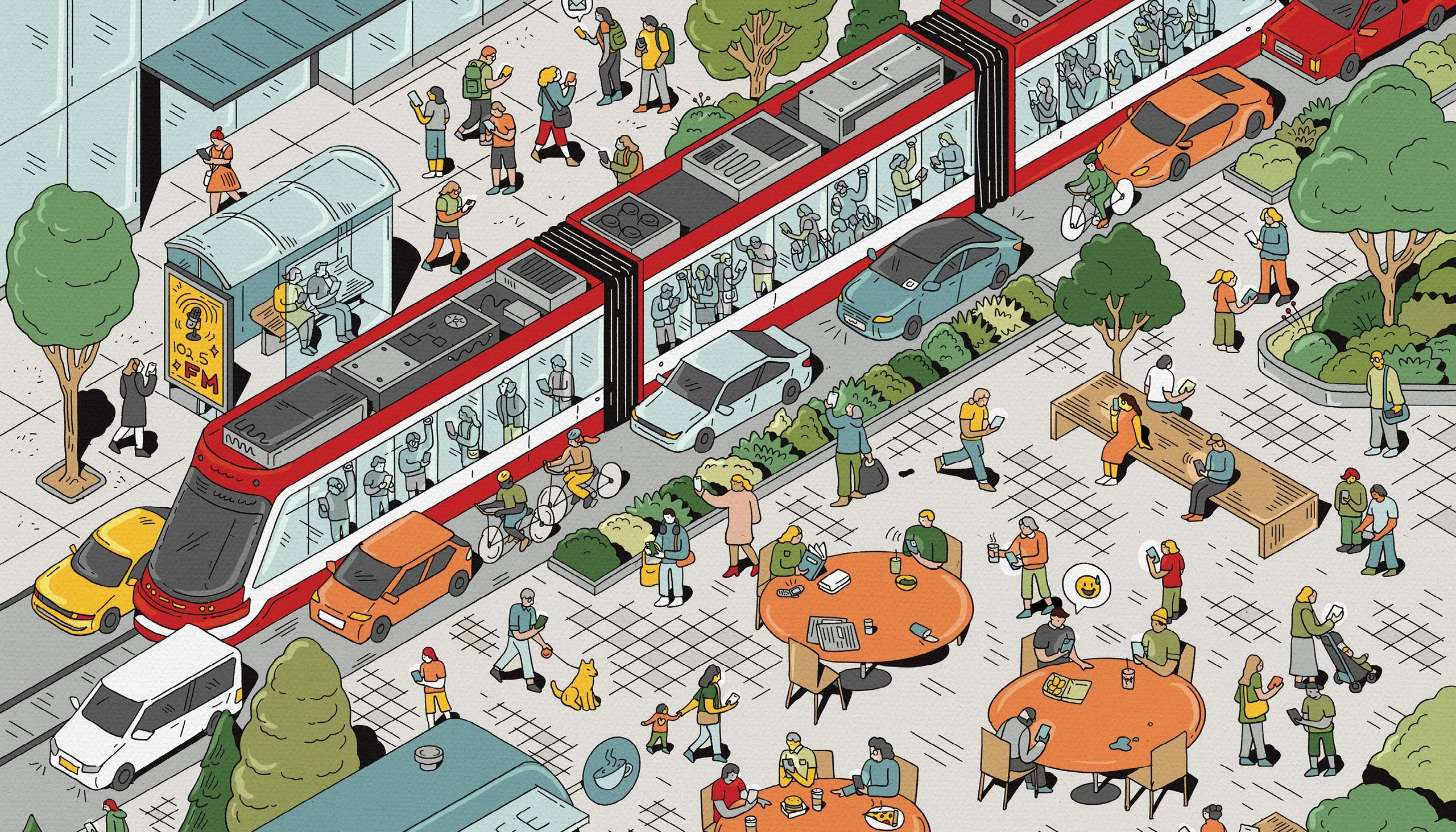
We’re seeing increasing measures to decrease, or even forbid, phones at the institutional level.
Ontario already restricts personal mobile-device use during instructional time. This spring, the government of Ontario announced it is considering fully banning cell phone use in schools. Quebec just entered its second school year banning cell phones, with educators reporting positive effects for students and teachers.
At the post-secondary level, the University of Chicago is taking the idea even further. This fall, its Social Sciences Core classes are being taught as “analog” courses, with students expected to read texts on paper and participate in in-person, device-free discussions.
Phone and AI-enabled tools add many benefits, including access, convenience and connection. So why is there a societal inclination and institutional push to decrease our use of digital devices?
Harvard Health Publishing reports that “doomscrolling” is tied to cognitive burnout, anxiety and lower life satisfaction. Dr. Aditi Nerurkar calls it “popcorn brain,” the overstimulated mental state that makes the real world feel slow and hard to engage with. Statistics Canada found that those who increased their recreational screen during the pandemic time were more likely to report poorer mental health.
Print and analog experiences provide an antidote to digital distraction and overwhelm. In his book The Sirens’ Call, journalist and writer Chris Hayes predicts we’re entering the era of “attentional farmers’ markets,” which he explains as small, intentional spaces that protect our focus rather than exploit it. Like a weekend market, these places are curated, finite and human-paced.
At first, some of these choices can seem quirky or nostalgic: vinyl records, handwritten letters, printed newspapers. But in a culture drowning in distraction, their scarcity is exactly the point.
“Maybe you’re reading this and thinking, ‘Newspapers and physical books? Really? Yes, really,’” writes Hayes.
Science supports the “why” behind print and paper in a digital world (and helps explain why handwriting and reading a physical book work so well for me). We absorb, process and remember information differently.
In a 2024 study of university students, researchers using 256 EEG sensors found far more elaborate connectivity between brain regions when participants wrote by hand than when they typed, especially areas associated with memory formation and encoding new information.
Maryanne Wolf, a cognitive neuroscientist and director of the Center for Dyslexia, Diverse Learners, and Social Justice at UCLA, puts it plainly: “When we skim, we literally, physiologically, don't have time to think. Or feel."
Screens, feeds and now AI have changed how we read, what we trust and how much of our attention is left over. Print and paper haven't changed, but the world around them has. And because of that, the things they've always done well—being tactile, free from distraction and having an end—matter more now.
Two Toronto events that SJC was part of in just the past two weeks signalled this renewed appreciation for print and paper.
SJC Media sponsored AGO Bash, and a popular station of the night was a magazine collage table.
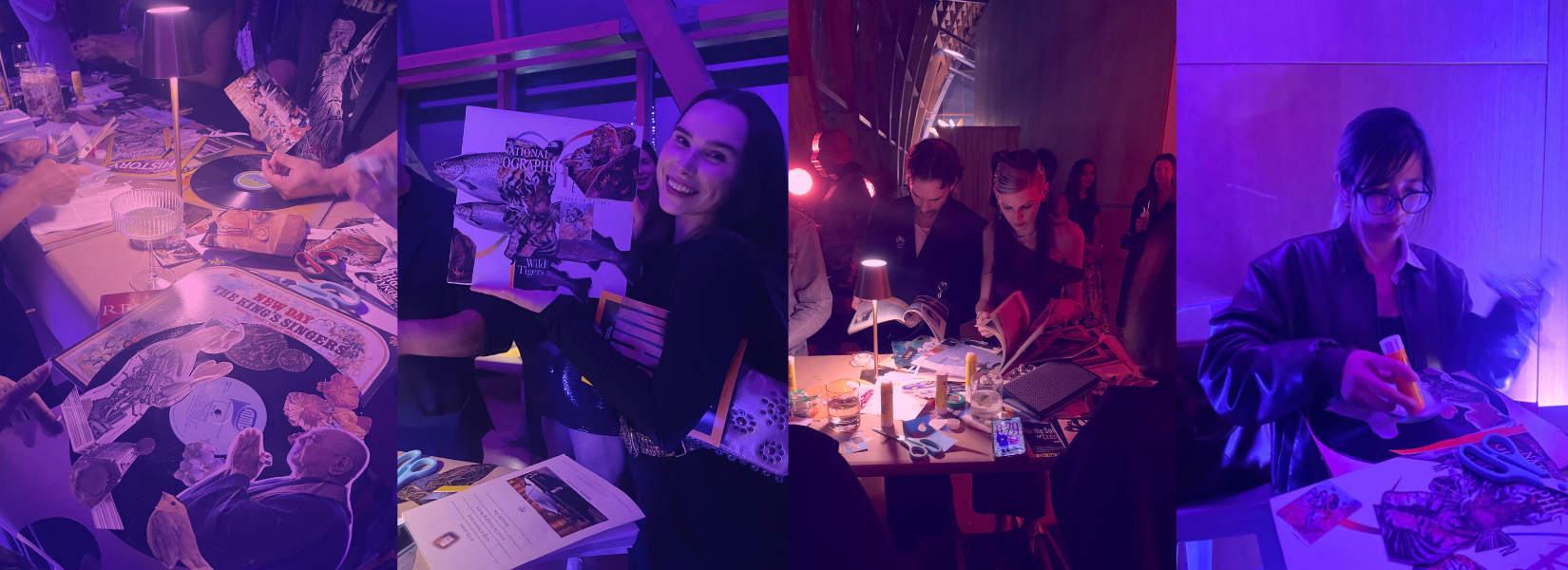
A week later, thousands of people came out to the Word On The Street to spend the day with books and magazines in Toronto. We had a record number of people stopping by our SJC Media booth, signing up for subscriptions, browsing magazines and getting excited about magazine-themed prizes.
We benefit from things we can hold, read and keep, with no screen in the way. And increasingly, we seem to be recognizing their value.
In the next two pieces, we’ll look at what this shift means for brands and why magazines have a particular role to play in the time we spend offline.
Want to explore what print could do for your brand? Connect with our team to start a conversation.
.png)
Maclean’s Unveils 2027 Canadian University Rankings with New Categories and Expanded Methodology
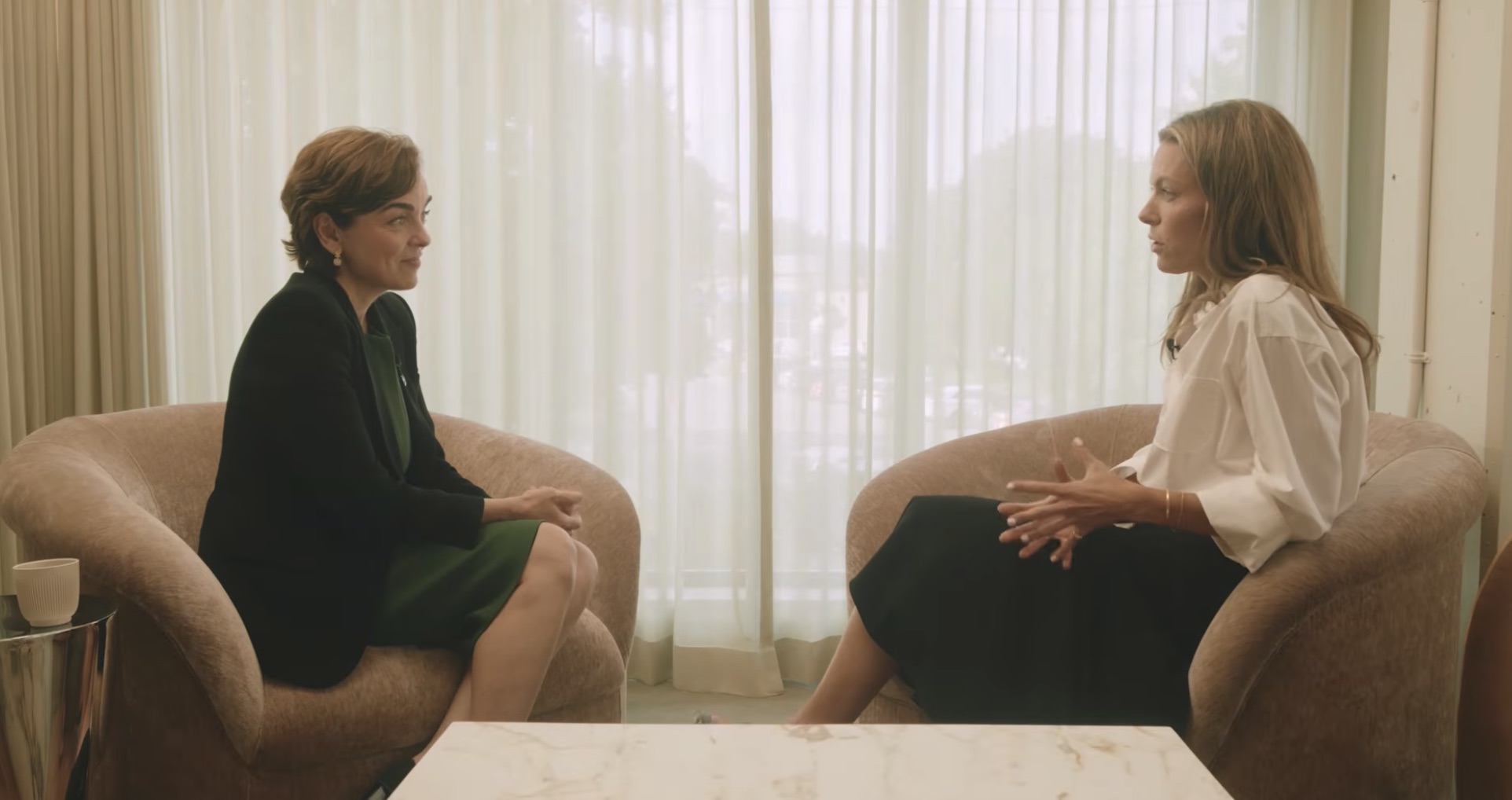
<i>Châtelaine</i> launches <i>Sur Invitation</i> with Premier Christine Fréchette
.png)